
Peru is bigger than most travelers expect. The Coast, mountains, jungle, desert, and high plains all sit inside one country. That means the wrong Peru tour can leave you cold, wet, exhausted, or stuck in a city when you wanted a trail to follow. Picking the right choice takes a bit of homework, but not much. Most travelers focus on Machu Picchu and stop there.
The site deserves the hype, but Peru tours offer a lot more if you give it the time. Here is how to think through your trek, your cities, and the season before you book anything.
Start With the Trek, Not the City
The trek decides everything else. Your fitness, your dates, and your tolerance for altitude all shape which trail makes sense for your physical condition. Picking the wrong one is the most common booking mistake travelers make.
A short look at the main options:
- Classic Inca Trail (4 days): The famous route. Permits sell out 4 to 6 months ahead. Moderate difficulty, with one tough pass at 4,215 meters.
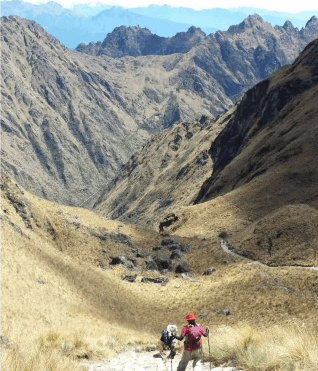
- Salkantay Trek (5 days): No permits needed. Tougher than the Inca Trail. Crosses a 4,630-meter pass and ends near Machu Picchu.
- Lares Trek (4 days): Quieter, more cultural. You meet Andean weaving communities along the way. Easier on the legs than Salkantay.
- Ausangate Trek (4 days): High, cold, and remote. Glacier lakes and almost no other tourists. Not for first-timers.
- Choquequirao Trek (6 days): Long, hot, and steep. Visiting a ruin many call the second Machu Picchu. Hard, but unforgettable.
If you have never hiked at altitude, Lares or the classic Inca Trail are probably the safer bets. Salkantay rewards fit hikers. Ausangate and Choquequirao reward the stubborn ones.
Pick the Cities Around the Trek
Most Peru itineraries hinge on three cities, with a few optional add-ons depending on time.
Cusco is the launching point for everything in the Sacred Valley and Machu Picchu region. Plan two or three nights here just to acclimatize before any trek. The altitude (3,400 meters) hits harder than people expect.
Lima is where most international flights land. Spend a day or two on the way in or out. Miraflores and Barranco are the neighborhoods where most travelers stay. The food scene is one of the strongest on the continent, so book at least one good dinner.
Arequipa sits in the south at 2,300 meters, with white volcanic architecture and access to the Colca Canyon. Skip it if you are short on time. Add it if you want a slower, lower-altitude city stop.
For longer trips, Puno on Lake Titicaca and the Amazon basin near Puerto Maldonado round out the country nicely.
Now, Think About the Season
Peru has two real seasons, dry and wet, and they matter more than the calendar month.
The dry season runs from May to September. Days are clear, trails are firm, and views from passes are clean. The downside is crowds and cold nights. Camping at 4,000 meters in July can drop below freezing.
The shoulder months, April and October, are the sweet spot for many travelers. Fewer people on the trail, decent weather, and slightly lower prices. Some guides quietly say October is their favorite month to lead a trek.
The wet season is November through March. The classic Inca Trail closes every February for maintenance. Salkantay and Lares stay open, but expect mud and afternoon rain. The upside is green hills, fewer tourists, and lower prices. Just pack your luggage properly.
See also: Cabins for Rent in Branson MO: From Cozy Couples Retreats to Big Group Lodges
A Quick Word on Permits and Timing
Inca Trail permits are the biggest planning trap. The government releases a limited number each year, and they sell out fast for the popular months. June, July, and August permits often go by January.
If your dates are fixed, book the trek before the flights. That sounds backward, but the permit is the thing that locks the rest of the trip in place. Salkantay and Lares do not need permits, so you have more flexibility there.
How to Choose an Operator
The operator matters as much as the trek itself. A bad guide on a good trail still ruins the trip. A great guide on a hard trail can save it.
Things to look at before you book:
- TripAdvisor reviews from the last six months, not five years ago
- Whether you get the same guide for the full trek or rotating staff
- Group size (eight to twelve is a healthy upper limit)
- How they handle altitude issues and emergencies
- Whether food, equipment, and porter wages are included transparently
What to Pack and Prepare
Train your legs before you arrive. Most treks involve four to seven hours of walking a day, often uphill, often on uneven stone. A few weeks of hill walks at home will make a real difference on day two.
Planning Your Trip
Ready to put your Peru tour together without guessing? Send a message on WhatsApp and Adrian will build something around your dates, fitness level, and the trek that fits you best. No deposit needed to start the conversation.