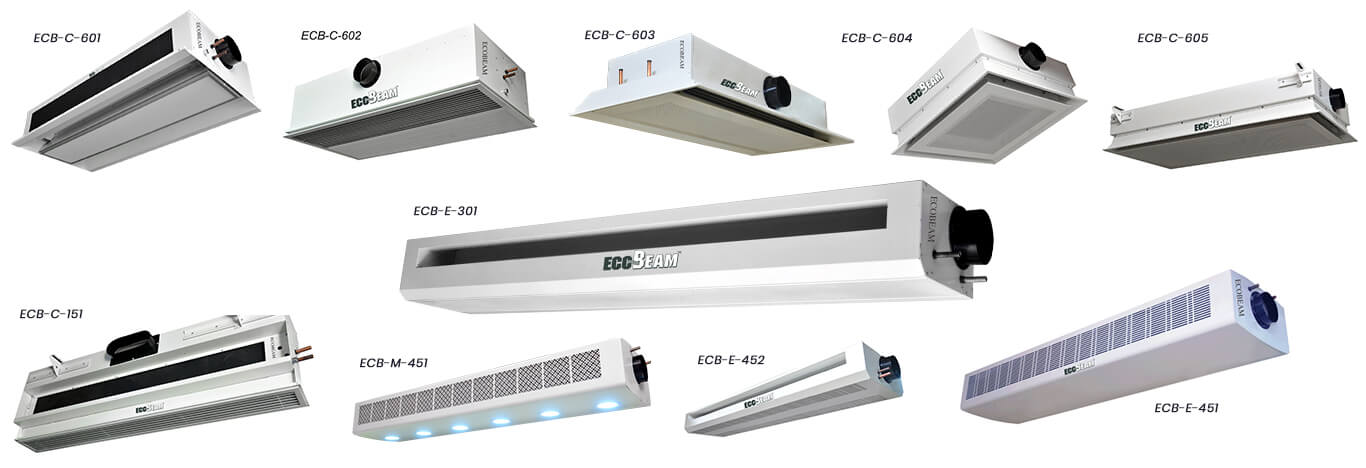

Commercial buildings are increasingly adopting advanced HVAC technologies to improve energy efficiency and reduce operational costs. Traditional cooling systems often consume large amounts of electricity due to high fan energy usage and complex air distribution systems. Modern infrastructure projects now require low energy cooling solutions that also support indoor comfort and sustainability goals. One of the most efficient alternatives available today is the chilled beam system. This technology offers energy efficient cooling while improving indoor environmental quality in commercial spaces.
Chilled beam systems use water based cooling technology to transfer heat more efficiently than traditional air based HVAC systems. These systems reduce fan energy consumption and support sustainable building operations. As energy efficiency standards continue to evolve, chilled beam technology is becoming an important part of modern commercial HVAC design.
Introduction to Energy Efficient Cooling in Commercial Buildings
Commercial buildings require reliable cooling systems to maintain comfortable indoor temperatures throughout the year. Offices, educational facilities, healthcare buildings, and commercial infrastructure often operate HVAC systems continuously for long periods. This leads to high energy consumption and increased operational expenses.
Traditional HVAC systems rely heavily on forced air circulation to maintain indoor conditions. Large air handling systems consume substantial fan power while distributing cooled air throughout the building. This process can create inefficiencies, especially in large commercial environments.
Several industry trends are increasing the demand for low energy HVAC systems:
- Rising electricity costs
- Sustainable building requirements
- Energy efficiency regulations
- Green building certifications
- Improved occupant comfort expectations
- Carbon reduction goals
Chilled beam systems help address these challenges by using water as the primary cooling medium instead of relying entirely on air distribution.
What Is a Chilled Beam System
A chilled beam system is a water based HVAC cooling solution that uses chilled water pipes installed within ceiling mounted units to cool indoor spaces. The system transfers heat from indoor air to chilled water through convection and radiant cooling principles.
Unlike traditional HVAC systems, chilled beams reduce the need for high volume airflow. Water can carry thermal energy more efficiently than air, which allows chilled beam systems to operate with lower fan energy consumption.
Key components of a chilled beam system include:
- Ceiling mounted chilled beam units
- Chilled water piping
- Ventilation air supply
- Heat exchange coils
- HVAC control systems
- Condensation management systems
The chilled water circulating through the system absorbs indoor heat and transfers it away from occupied spaces. This process creates a comfortable indoor environment with reduced energy demand.
Types of Chilled Beam Systems
Chilled beam systems are generally divided into two categories: active chilled beams and passive chilled beams. Both systems improve cooling efficiency, but they operate differently based on airflow requirements and building design.
Active chilled beams use a primary air supply to induce room air across the cooling coil. This improves air circulation and enhances cooling performance. Passive chilled beams rely mainly on natural convection for heat transfer without additional air induction.
The main differences between the two systems include:
- Active chilled beams use supplied ventilation air
- Passive chilled beams rely on natural airflow
- Active systems provide stronger air movement
- Passive systems operate with lower airflow demand
- Both systems support energy efficient cooling
- Both reduce fan energy consumption
The choice between active and passive systems depends on building requirements, occupancy levels, and ventilation design objectives.
How Chilled Beam Systems Reduce HVAC Energy Consumption
One of the biggest advantages of chilled beam technology is reduced HVAC energy consumption. Since water transfers heat more efficiently than air, chilled beam systems require less fan power compared to traditional forced air cooling systems.
Lower airflow demand allows HVAC equipment to operate more efficiently while maintaining indoor thermal comfort. This significantly reduces the energy required for air movement and cooling distribution.
Major energy saving benefits include:
- Lower fan energy usage
- Reduced cooling load on HVAC systems
- Improved thermal efficiency
- Reduced ductwork requirements
- Better temperature control
- Lower operational costs
Chilled beam systems also support radiant cooling technology, which improves indoor comfort by reducing temperature fluctuations. The cooling process is quieter and more energy efficient than conventional air conditioning systems.
Commercial facilities may also integrate technologies such as dew point evaporative cooling to improve cooling efficiency and reduce HVAC energy consumption further.
Benefits of Chilled Beam Systems in Commercial Spaces
Chilled beam systems offer several operational and environmental benefits for commercial infrastructure projects. These systems are designed to support energy efficient building performance while maintaining indoor comfort and air quality.
One major advantage is improved energy efficiency. Reduced fan energy demand lowers electricity consumption and helps buildings achieve sustainability goals. Chilled beam systems also require less mechanical air movement, which contributes to quieter indoor environments.
Additional benefits include:
- Lower HVAC operating costs
- Improved indoor thermal comfort
- Reduced maintenance requirements
- Better energy performance
- Enhanced indoor air quality
- Support for green building certifications
The reduced dependence on large air handling systems also decreases equipment wear and operational stress. This contributes to improved system reliability and longer equipment lifespan.
Commercial environments that require strict air quality standards may also integrate a hygienic air handling unit alongside chilled beam systems to improve indoor environmental performance.
Applications of Chilled Beam Systems
Chilled beam systems are widely used in commercial and institutional buildings where energy efficiency and occupant comfort are important design priorities. These systems are suitable for spaces that require stable indoor temperatures and efficient cooling performance.
Common applications include:
- Office buildings
- Educational institutions
- Healthcare facilities
- Hotels and hospitality spaces
- Corporate headquarters
- Commercial complexes
- Institutional infrastructure
These environments benefit from the quiet operation and improved thermal comfort provided by chilled beam technology. The systems are especially effective in buildings with moderate cooling loads and controlled humidity conditions.
Modern commercial infrastructure projects increasingly prioritize low energy cooling systems to support sustainability objectives and reduce long term operational costs.
Chilled Beam Systems vs Traditional HVAC Cooling Systems
Traditional HVAC cooling systems depend heavily on large air handling units and extensive ductwork to distribute conditioned air. This creates higher fan energy consumption and increased maintenance requirements.
Chilled beam systems operate differently by using chilled water for heat transfer. Since water carries thermal energy more efficiently, these systems reduce the amount of air movement required for cooling.
Important differences between chilled beam systems and traditional HVAC systems include:
- Lower fan energy demand
- Reduced ductwork requirements
- Improved thermal comfort
- Quieter operation
- Better energy efficiency
- Lower maintenance costs
Traditional systems may also struggle to maintain consistent indoor temperatures in large commercial spaces. Chilled beam systems provide more balanced cooling while improving overall HVAC efficiency.
Over time, the reduced energy demand contributes to lower utility costs and improved sustainability performance for commercial buildings.
Factors to Consider When Choosing a Chilled Beam System
Selecting the right chilled beam system requires careful planning and proper HVAC design evaluation. Several technical factors should be considered to ensure efficient operation and long term performance.
Important considerations include:
- Building cooling requirements
- Ventilation system design
- Humidity control management
- Ceiling space availability
- Maintenance accessibility
- HVAC integration compatibility
- Sustainability objectives
Humidity control is particularly important because chilled beam systems rely on water based cooling. Proper ventilation and moisture management help prevent condensation issues and maintain indoor comfort.
System integration also plays an important role in achieving balanced airflow and efficient cooling performance throughout the building.
The Role of Chilled Beam Systems in Sustainable Building Design
Sustainable commercial buildings focus on reducing energy consumption while improving occupant comfort and environmental performance. HVAC systems are one of the largest energy consumers in commercial infrastructure, making efficient cooling technologies essential for green building initiatives.
Chilled beam systems support sustainable building design by:
- Lowering HVAC energy usage
- Reducing carbon emissions
- Improving cooling efficiency
- Supporting green building certifications
- Enhancing indoor comfort
- Lowering operational costs
As commercial infrastructure continues to prioritize sustainability, chilled beam systems are becoming more common in energy efficient building projects. Their ability to deliver low energy cooling while maintaining indoor comfort makes them an effective long term HVAC solution.
Advanced cooling technologies are expected to play an even greater role in future commercial building development as environmental regulations continue to evolve.
Why DRI Rotors Is a Trusted Provider of Chilled Beam Solutions
DRI Rotors specializes in advanced HVAC technologies designed for energy efficient commercial and industrial applications. Their chilled beam systems are engineered to deliver high performance cooling while supporting sustainable building operations.
DRI Rotors solutions provide:
- Efficient commercial cooling performance
- Reduced HVAC energy consumption
- Improved indoor thermal comfort
- Sustainable cooling technology
- Reliable HVAC system operation
- Advanced engineering support
Their expertise in energy efficient HVAC solutions helps architects, engineers, and facility planners optimize building performance and operational efficiency. Organizations seeking advanced cooling technologies can contact Desiccant Rotors International for technical assistance and customized HVAC solutions.
Conclusion
Chilled beam systems are transforming the way commercial buildings approach energy efficient cooling. By using water based heat transfer and reducing fan energy consumption, these systems provide an effective alternative to traditional HVAC cooling methods. They improve indoor comfort, reduce operational costs, and support sustainable building performance.
Modern commercial infrastructure requires advanced cooling technologies that align with energy efficiency and environmental goals. Chilled beam systems offer a practical solution for reducing HVAC energy consumption while maintaining reliable indoor environmental conditions. As sustainable building design continues to evolve, chilled beam technology will remain an important part of future commercial HVAC systems.
FAQs
1. What is a chilled beam system?
A chilled beam system is a water based HVAC cooling solution that uses ceiling mounted units to transfer heat from indoor spaces through convection and radiant cooling.
2. How do chilled beam systems reduce energy consumption?
These systems reduce fan energy demand by using chilled water instead of large air volumes for heat transfer, improving overall HVAC efficiency.
3. What is the difference between active and passive chilled beams?
Active chilled beams use supplied ventilation air to improve airflow, while passive chilled beams rely mainly on natural convection for cooling.
4. Where are chilled beam systems commonly used?
They are commonly used in offices, healthcare facilities, educational institutions, hotels, and commercial infrastructure projects.
5. Why are chilled beam systems considered sustainable?
They lower HVAC energy consumption, reduce carbon emissions, improve cooling efficiency, and support green building performance goals.