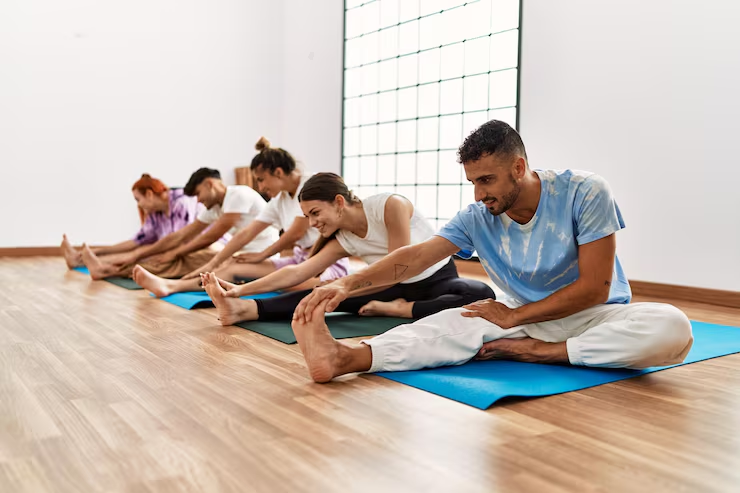

Trying to improve physical health sounds simple at first. Join a yoga class, attend a few sessions, and stay consistent. That is what most people think. Yet many people quit within weeks because the studio never felt right. The classes move too fast. The instructors feel distant. The atmosphere feels cold or overly commercial. After a while, motivation starts fading. Wellness goals get pushed aside, and people quietly return to old habits.
Finding the right yoga studio in San Diego can change that experience. A good studio does more than teach poses. It shapes routines, mindset, and even stress levels. Some studios focus heavily on fitness, while others create a calmer setting that emphasizes recovery and balance. That difference matters more than people realize. A person dealing with burnout may not enjoy loud, packed sessions. Someone chasing flexibility or strength may need more structure and progression.
This is one reason many locals continue to search for places like Tranquil Tree Yoga. People are not only paying attention to schedules anymore. They want instructors who notice their progress. They want clean spaces, smaller class sizes, and a setting that feels welcoming instead of intimidating. It sounds minor at first, perhaps even unnecessary, though comfort often decides whether someone keeps showing up every week.
Here is why choosing matters carefully.
A yoga studio affects more than workouts. It affects consistency. And consistency shapes results.
Start With Your Actual Wellness Goal
Many people join yoga without defining what they want from it. That creates confusion later. A studio that works well for stress relief may not fit someone looking for athletic conditioning.
Ask simple questions first:
- Is the goal stress reduction?
- Better flexibility?
- Weight management?
- Injury recovery?
- Improved sleep?
- Building strength and posture?
Studios usually lean toward one teaching style more than another. Some classes feel slow and meditative. Others feel intense and physically demanding. Walking into the wrong environment can feel frustrating fast.
A studio focused on hot yoga may overwhelm beginners. A slower restorative class may feel too relaxed for someone expecting calorie-burning workouts. Small mismatch. Big disappointment.
See also: Modern Healthcare Demand Is Driving Greater Interest in Pharma PCD Business Opportunities
Pay Attention to the Teaching Style
Most people look at pricing or class schedules first. Teaching style deserves far more attention.
A strong instructor notices posture corrections quickly. They explain movements clearly and create a comfortable pace for beginners. Poor guidance can leave students confused or even injured.
Watch how instructors communicate.
Do they:
- Explain breathing techniques clearly.
- Offer pose adjustments?
- Encourage beginners without pressure?
- Create a calm atmosphere?
- Rush through sessions?
These details shape the full experience.
Some studios also focus heavily on mindfulness practices. Others lean toward physical conditioning. Neither approach is wrong. The issue comes when expectations and reality do not match.
At times, people ignore this part completely. Then, after a month, they stop attending classes because something feels off, but they cannot explain why.
Location Matters More Than Motivation
This sounds obvious, though many people underestimate it.
A studio can look beautiful online. The instructors may have excellent reviews. Yet if driving there feels exhausting after work, attendance drops quickly.
Long commutes slowly kill consistency.
Choosing a nearby studio often works better than choosing the most talked-about location across town. Convenience plays a huge role in habit formation. Wellness routines survive when they fit naturally into daily life.
Things worth checking include:
| Factor | Why It Matters |
| Parking availability | Reduces stress before class |
| Class timing | Helps maintain consistency |
| Traffic conditions | Impacts energy levels |
| Neighborhood atmosphere | Shapes comfort and safety |
| Studio cleanliness | Affects overall experience |
People rarely think about these things during the first visit. A few weeks later, they suddenly become deal breakers.
Look Beyond Social Media Photos
Some yoga studios market themselves beautifully online. Warm lighting. Stylish interiors. Perfect poses everywhere.
Real experience can feel very different.
Reviews often reveal more than promotional content. Pay attention to repeated comments. If many students mention overcrowded classes or rushed instructors, there is probably truth behind it.
Look for feedback about:
- Instructor attentiveness
- Cleanliness
- Beginner friendliness
- Noise levels
- Class variety
- Community atmosphere
A studio does not need to feel luxurious to be effective. In many cases, smaller studios create stronger personal connections and better guidance.
That quieter environment often helps people stay committed longer.
Class Variety Can Prevent Burnout
Repeating the same class style every week gets repetitive. Motivation fades faster than expected.
Studios offering different formats help students stay engaged. Someone may begin with gentle yoga, then move on to strength-focused flows or meditation-based sessions.
Popular class options may include:
- Vinyasa yoga
- Restorative yoga
- Yin yoga
- Breathwork sessions
- Mobility-focused classes
- Beginner workshops
This variety allows people to adapt their routines as goals change. Bodies change, too. Stress levels change. Energy levels fluctuate constantly.
That flexibility matters more over time than most people expect.
Some studios also include education around breath control and body mechanics. Topics like diaphragmatic breathing often help students improve relaxation and focus during sessions. Those details can shape long-term progress in surprising ways.
Community Plays a Bigger Role Than Expected
Many people join yoga for physical reasons. They stay because of the environment.
A supportive studio creates accountability naturally. Students feel comfortable asking questions. Instructors remember names. The atmosphere feels calm instead of competitive.
That emotional comfort matters.
Some fitness spaces unintentionally create pressure. People compare flexibility, body types, or experience levels. Beginners start feeling self-conscious. Attendance slowly drops.
A welcoming studio removes that fear.
This does not mean every class needs constant positivity or forced friendliness. People simply want to feel accepted while learning at their own pace.
That balance is harder to find than people think.
Trial Classes Reveal the Truth Quickly
Reading descriptions only helps to a point.
The first class usually reveals everything:
- Room temperature
- Energy level
- Instructor personality
- Student interaction
- Noise level
- Pace of instruction
Sometimes a studio looks perfect online, yet feels uncomfortable in person within minutes. Other times, a modest-looking studio creates an immediate sense of calm.
Trusting that reaction matters.
People often ignore their instincts because they have already committed mentally. Then they continue attending classes they secretly dislike.
That rarely lasts long.
A good yoga experience should feel challenging without feeling draining. Calm without feeling dull. Structured without feeling rigid.
Body alignment also becomes important during regular practice. Learning proper spinal alignment early can reduce discomfort and help prevent unnecessary strain later.
The Right Studio Supports Long-Term Wellness
Wellness goals usually fail when routines feel difficult to maintain. That is the uncomfortable truth many people avoid discussing.
The right yoga studio removes friction instead of adding it. Classes feel approachable. Instructors create trust. The environment encourages consistency instead of pressure.
Over time, those small details shape physical and mental health more than short bursts of motivation.
A studio should feel like a place people want to return to, even on stressful days. Perhaps that is the real test.
Some people need intensity. Others need calm. Many need a mixture of both. Finding the right fit takes patience, though it can completely change how wellness becomes part of daily life.