
You can remind a teenager to brush, floss, wear the retainer, and drink less soda, then turn around and find the same half full water bottle and untouched toothbrush on the counter. That push and pull is exhausting. Teens want independence, but they still need structure, and oral health often becomes one of the first places where that struggle shows up, making regular visits for cosmetic dentistry Jackson Heights, NY especially important.
This is where family dental care helps in a way many parents do not expect. A family dentist is not just checking for cavities. They are giving teens a routine, a relationship, and clear expectations that feel more grown up than constant reminders from home. That shift matters. How Family Dentistry Encourages Responsibility In Teen Patients comes down to consistency, trust, and giving teens ownership over choices that affect their health every day.
Family dentistry gives teens a steady place to practice independence
Teen years are full of mixed signals. One day your child wants you involved in everything, the next day they want privacy and space. Oral care sits right in the middle of that tension. They are old enough to brush and floss on their own, but not always consistent enough to do it well. Missed cleanings, sports drinks, late nights, braces, and busy schedules can turn small habits into bigger dental problems fast.
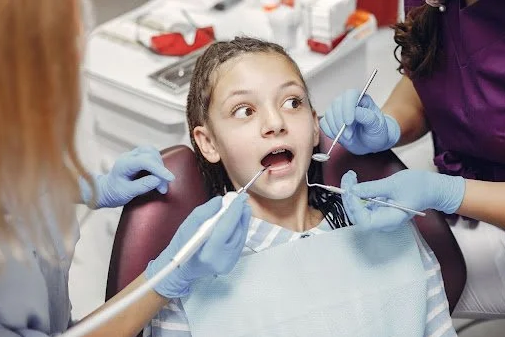
A family dentist sees that pattern early. Because the same office often treats children, teens, and parents, there is a longer view of the teen’s health and habits. A dentist can say, in a calm and neutral way, what a parent has been repeating for months. That message lands differently when it comes from a professional who can point to plaque buildup, early gum irritation, or enamel wear and connect it directly to daily choices.
This is one reason family dentistry for teens works so well. Teens are more likely to accept guidance when they feel respected instead of managed. A good visit gives them room to answer questions themselves, talk about their habits, and hear the results without being talked down to.
See also: Why CPAs Are Trusted During Financial Investigations
Teen dental responsibility grows when consequences feel real
Responsibility is hard to build when the outcome feels far away. A teenager may not care much about gum disease at age forty. They do care about bad breath, visible plaque, tooth pain before a school event, or stains that show up in photos. Family dental visits connect future health to present life, and that makes the lesson stick.
If a teen skips flossing and bleeding gums start, the issue is no longer abstract. If they keep sipping sugary drinks and a cavity forms, they learn that daily choices have costs, including discomfort, time away from school, and treatment bills. According to MedlinePlus guidance on adolescent dental care, regular brushing, flossing, healthy eating, and routine dental visits all help prevent common problems that become more frequent during the teen years.
That does not mean using shame. Shame usually makes teens shut down. The better approach is direct accountability. The dentist explains what happened, what needs to change, and what the teen can do next. That kind of conversation builds maturity because it links action to outcome without drama.
Family dental care supports habits at home and in the dental chair
Teens do better when expectations match in both places. At home, you may be asking for better brushing and fewer sugary snacks. In the dental office, they hear the same message backed by exams, cleanings, and practical advice. Repetition from trusted adults creates structure, and structure is often what responsibility needs to take root.
Research also shows that connection to care matters. The National Institute of Dental and Craniofacial Research reported increased dental visits among children and adolescents, which helps support providers who can guide healthy habits early. More visits mean more chances to correct problems before they become painful or expensive.
Daily care still does most of the work. The CDC’s oral health tips for children and teens reinforce the basics, including brushing twice a day with fluoride toothpaste, flossing, drinking water, and keeping regular appointments. A family dentist turns those broad recommendations into personal feedback your teen can actually use.
Responsibility looks different at home than it does with a family dentist
| Situation | At Home | With Family Dentistry |
| Brushing and flossing | Often depends on reminders and guesswork | Technique is checked, corrected, and tracked over time |
| Diet choices | Teens may ignore warnings about soda and snacks | Diet is tied to visible results like cavities, staining, and gum irritation |
| Missed habits | Can lead to arguments and power struggles | Creates a neutral discussion about cause and effect |
| Long term thinking | Future risks may feel too distant to matter | Regular visits make progress and setbacks easier to see |
| Ownership | Parents often carry most of the responsibility | Teens are encouraged to answer questions and participate in care decisions |
Small shifts in family dentistry can build lasting teen responsibility
1. Let your teen speak first during appointments.
Have them describe their brushing routine, food habits, or any pain before you add details. This sounds simple, but it changes the tone of the visit. They start acting like the person responsible for their own health, not just the person being brought to an appointment.
2. Tie dental habits to goals they already care about.
Cleaner teeth, fresher breath, fewer interruptions for treatment, and more confidence with braces or aligners often matter more to teens than distant health warnings. Responsibility grows faster when the reward feels personal and immediate.
3. Make follow through visible at home.
Keep floss, fluoride toothpaste, and a timer where they are easy to use. Put the next dental visit on the family calendar. Ask your teen what the dentist recommended and what they plan to change. You are not policing every move. You are showing that health routines are part of normal life.
Family dental care helps teens grow into their own health habits
Teens rarely become responsible all at once. It usually happens in pieces. They start answering for themselves, they hear the same expectations consistently, and they see that their choices have real outcomes. That is how teen dental responsibility develops, and family dentistry gives it a place to grow.
If your teen has been inconsistent, you are not alone, and it does not mean they are careless or that you have failed. It means they are learning. The right dental relationship can turn that learning into habits that last.