
You might be feeling a little uneasy about your teeth right now. Maybe you have a faint ache that comes and goes, or a bit of bleeding when you brush, or you are just worried because it has been a while since your last checkup with a dentist in Novato, CA. You are not in crisis, but you also have a quiet fear in the back of your mind. What if something serious is brewing and you just cannot see it yet?
That is the hard part about oral health. So many problems start small, stay silent for a long time, and only show themselves when they are harder and more expensive to fix. Because of that, it is easy to put off regular visits and hope things are fine. At the same time, you might feel guilty or stressed about not going sooner.
Here is the simple truth. A general dentist is trained to spot trouble early, often long before you feel pain or notice a visible problem. Through regular exams, cleanings, and a few focused tests, your dentist can catch issues like tooth decay, gum disease, and even early signs of oral cancer while they are still small, manageable, and far less scary.
So, where does that leave you? You do not need to know every detail of every condition. You just need to understand how preventive dental care works in your favor, how it can protect your health, your time, and your wallet, and what you can start doing now to stay ahead of problems instead of chasing them.
Why do dental problems sneak up on you so easily
Most people assume that if something is wrong with their teeth or gums, they will feel it. Pain, swelling, or obvious changes. In reality, many common dental issues are very quiet at first. Tooth decay, for example, can start in the outer enamel. You will not always feel a cavity when it is small. The same is true for early gum disease. Gums might be a little puffy or bleed slightly, but it is easy to ignore.
Tooth decay is one of the most common chronic diseases across all ages. The National Institute of Dental and Craniofacial Research explains how decay begins when bacteria in plaque feed on sugars and produce acids that slowly break down your enamel. You can read more about how cavities form and progress in their overview of tooth decay. By the time you feel sharp pain, the decay may have reached the deeper layers of the tooth.
Because of this gap between cause and symptoms, people often delay appointments. Life is busy, money is tight, and if nothing hurts, it is easy to push dental care to the bottom of the list. Then one day a filling cracks, a tooth breaks, or a deep ache wakes you at night, and suddenly you are in an urgent situation that feels overwhelming.
So the real problem is not only the disease itself. It is the timing. Things are happening long before you feel them, and that delay can turn a simple fix into a complex one.
See also: New Launch Condo Buying Guide Singapore
How does a general dentist find problems before you feel them
This is where early detection comes in. A general dentist is like your front-line health partner for your mouth. Their focus is to identify tiny changes, patterns, and warning signs that you would never notice in the mirror.
During a routine visit, your dentist and hygienist are usually looking for several things at once.
1. Careful visual and tactile exam
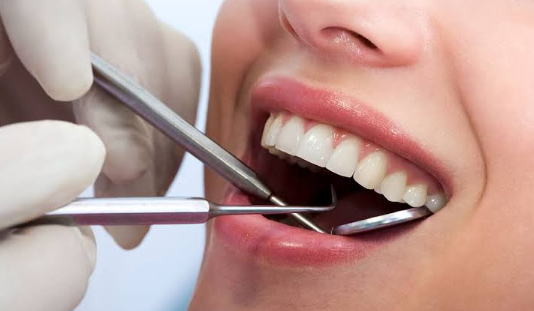
They look at each tooth, your gums, tongue, cheeks, and the roof and floor of your mouth. They use a small mirror and probe to check for soft spots on teeth, rough edges, plaque buildup, pockets around the gums, and any unusual patches or sores. Many cavities and gum issues are first spotted here, when they are still small.
2. X-rays to see what your eyes cannot
X-rays help your dentist see between teeth, under old fillings, and down into the bone that supports your teeth. Problems like hidden decay, bone loss from gum disease, or infections at the root tip often show up on an X-ray long before you notice any discomfort.
3. Gum health measurements
You might remember your hygienist calling out numbers as they gently measure your gums. Those numbers show how deep the pockets are around your teeth. Shallow pockets usually mean healthy gums. Deeper pockets can be an early sign of gum disease, even if you do not feel pain.
4. Screening for oral and head and neck cancer
Most general dentists perform a quick cancer screening as part of your exam. They look for persistent sores, color changes, lumps, or areas that feel different. They may also feel along your jaw and neck for any unusual swelling. The American Dental Association describes common signs and risk factors in its resource on cancer of the head and neck. Catching changes early can dramatically improve outcomes.
5. Checking your bite and wear patterns
Your dentist also watches for signs of grinding, clenching, or misalignment. These can lead to cracked teeth, jaw pain, and headaches over time. Early spotting means your dentist can suggest guards, small bite adjustments, or other solutions before damage sets in.
Because of all this, early dental problem detection is not about scaring you. It is about buying you options. Smaller fillings instead of crowns. Deep cleanings instead of surgery. Monitoring a tiny spot instead of rushing into a major procedure.
What happens if you wait too long compared to staying on schedule
You might be wondering how much difference it really makes to go regularly. After all, if you brush and floss, is a missed visit such a big deal? To make this more concrete, it helps to look at the trade-offs between waiting until something hurts and using routine checkups as a preventive tool.
| Approach | What usually happens | Typical cost and time impact | Emotional impact |
|---|---|---|---|
| Waiting until there is pain or a visible problem | Issues are found late. Cavities may be large, infections may need root canals, gum disease may have progressed. | Higher costs for complex work, more visits, possible time off work for urgent care. | Stress, fear, and sometimes embarrassment. Feeling rushed into big decisions. |
| Regular exams and cleanings every 6 to 12 months | Problems are caught early. Small fillings, early gum treatments, or simple monitoring are often enough. | Lower, more predictable costs, shorter visits, fewer emergencies. | Greater peace of mind and a sense of control over your health. |
| DIY only, no professional care | Good brushing and flossing help, but hidden decay, bone loss, and early cancer signs can be missed. | Short-term savings, but risk of sudden, high emergency costs later. | Ongoing worry about what might be missed until pain forces action. |
Good home care is powerful, especially when you support it with tools like fluoride toothpaste or mouth rinses. The NIDCR explains how fluoride helps protect teeth by strengthening enamel and making it more resistant to acid attacks. Still, even strong enamel cannot replace the trained eye and tools your dentist uses to catch what you cannot see.
Three practical steps you can take right now
1. Schedule your next general dental exam before you think you “need” it
If it has been more than a year since your last checkup, put an appointment on the calendar. You do not have to wait for pain or a chipped tooth. Tell the office it has been a while and you feel nervous if that is true. A good team will understand and move at a pace that feels safe for you. One routine visit can uncover small issues early and give you a clear picture of what is going on.
2. Set up a simple home routine that supports early detection
You cannot replace professional care, but you can give your dentist better conditions to work with. Brush twice a day with fluoride toothpaste, floss once a day, and pay attention to changes. New sensitivity, bleeding that persists, sores that do not heal within two weeks, or a feeling that your bite has shifted are all worth mentioning at your next visit. The more you notice, the sooner your dentist can respond.
3. Ask your general dentist to walk you through what they see
During your visit, do not be afraid to ask questions. You might say, “Can you show me where you see early signs of trouble?” or “What are the top two things I should watch between now and my next visit?” When your dentist explains what they see on your X-rays, how your gums are doing, and what they are monitoring, you gain clarity instead of vague worry. That shared understanding makes it easier to follow through with any recommended care.
Moving forward with more confidence about your oral health
You do not have to become an expert in dentistry. You only need to partner with a trusted general dental care provider and stay just a little bit ahead of problems instead of reacting when they explode. Early detection is not about perfection. It is about giving yourself choices, lowering your stress, and protecting your health in a way that fits real life.
If you have been putting off care because you are anxious, ashamed, or worried about what might be found, you are not alone. Many people feel that way. The important step is the next one. Reach out to a general dentist, schedule that visit, share your concerns openly, and let them help you catch small issues before they ever have a chance to become major problems.