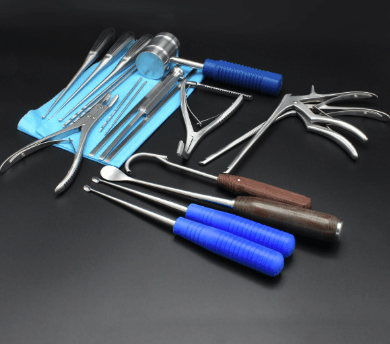

Orthopedic surgeries require precision, durability, and reliability. Orthopedic surgical instruments are specially designed to assist surgeons in procedures involving bones, joints, ligaments, and surrounding tissues. These instruments ensure accurate manipulation, cutting, and fixation, which is crucial for effective patient outcomes.
Understanding the features, types, and applications of orthopedic surgical instruments helps hospitals, clinics, and surgical centers equip themselves for high-quality orthopedic care.
What Are Orthopedic Surgical Instruments?
Orthopedic surgical instruments are medical tools used specifically for musculoskeletal procedures. They are constructed from high-grade stainless steel or titanium to withstand sterilization and provide long-term durability.
Key characteristics include:
- Ergonomic design for surgeon comfort
- Precision tips for accurate bone cutting and tissue handling
- Corrosion-resistant and sterilizable materials
- Instruments specialized for orthopedic and trauma procedures
These features make orthopedic surgical instruments indispensable in operating rooms worldwide.
Types of Orthopedic Surgical Instruments
Bone Cutting and Shaping Tools
Saws, chisels, osteotomes, and rasps are used to cut, shape, or remove bone during surgeries.
See also: The Complete Guide to Artificial Grass Installations in Malibu for Homeowners
Fixation Instruments
Plates, screws, pins, and clamps stabilize fractured or surgically altered bones to promote healing.
Joint and Soft Tissue Instruments
Forceps, elevators, and retractors allow precise manipulation of joints and surrounding soft tissues.
Drilling and Reaming Instruments
Drills, reamers, and guides prepare bone cavities, surfaces, and implant sites for orthopedic procedures.
Advantages of Using Orthopedic Surgical Instruments
Precision and Accuracy
High-quality instruments allow surgeons to perform complex procedures safely and efficiently, minimizing tissue damage and improving patient outcomes.
Durability and Sterilization
Constructed from surgical-grade materials, orthopedic instruments resist corrosion, maintain sharpness, and withstand repeated autoclaving.
Ergonomic Design
Ergonomically designed handles reduce fatigue during long procedures, enhancing control and precision.
Versatility
These instruments are suitable for a wide range of procedures, including trauma surgery, joint replacement, and spinal interventions.
Applications of Orthopedic Surgical Instruments
Trauma and Fracture Repair
Used in repairing fractures, dislocations, and other orthopedic injuries caused by trauma.
Joint Replacement Surgery
Essential for knee, hip, and shoulder replacement procedures, facilitating bone preparation and implant placement.
Spinal Surgery
Specialized instruments assist in spinal alignment, decompression, and fixation surgeries.
Pediatric and Specialized Orthopedic Procedures
Tailored instruments are available for pediatric surgeries and other specialized orthopedic interventions.
Features to Consider When Choosing Orthopedic Surgical Instruments
- Material quality: Surgical-grade stainless steel or titanium
- Precision and sharpness: Critical for bone and tissue manipulation
- Ergonomics: Comfortable and fatigue-reducing design
- Sterilization compatibility: Resistant to repeated autoclaving
- Comprehensive instrument sets: Include tools for multiple procedures
High-quality instruments ensure safe, efficient, and effective orthopedic surgeries.
Innovations in Orthopedic Surgical Instruments
Recent advancements include:
- Lightweight titanium instruments to reduce surgeon fatigue
- Modular instrument sets for specific surgical procedures
- Enhanced corrosion-resistant coatings
- Computer-assisted and guided surgical instruments for precision
These innovations improve surgical accuracy, safety, and efficiency.
Frequently Asked Questions (FAQ)
1. What are orthopedic surgical instruments used for?
They are used in surgeries involving bones, joints, and surrounding soft tissues, including trauma, joint replacement, and spinal surgeries.
2. What materials are used in orthopedic surgical instruments?
High-grade stainless steel or titanium, which ensures durability, precision, and sterilization compatibility.
3. Can orthopedic surgical instruments be customized?
Yes. Many suppliers provide customized instruments for specialized orthopedic procedures or unique patient requirements.
Conclusion
Orthopedic surgical instruments are essential for performing precise, safe, and effective musculoskeletal surgeries. Their high-quality construction, ergonomic design, and sterilization compatibility ensure optimal surgical outcomes and patient safety. Reliable orthopedic surgical instruments are crucial for trauma care, joint replacements, spinal interventions, and specialized orthopedic procedures, providing surgeons with the tools necessary for excellence in patient care.